

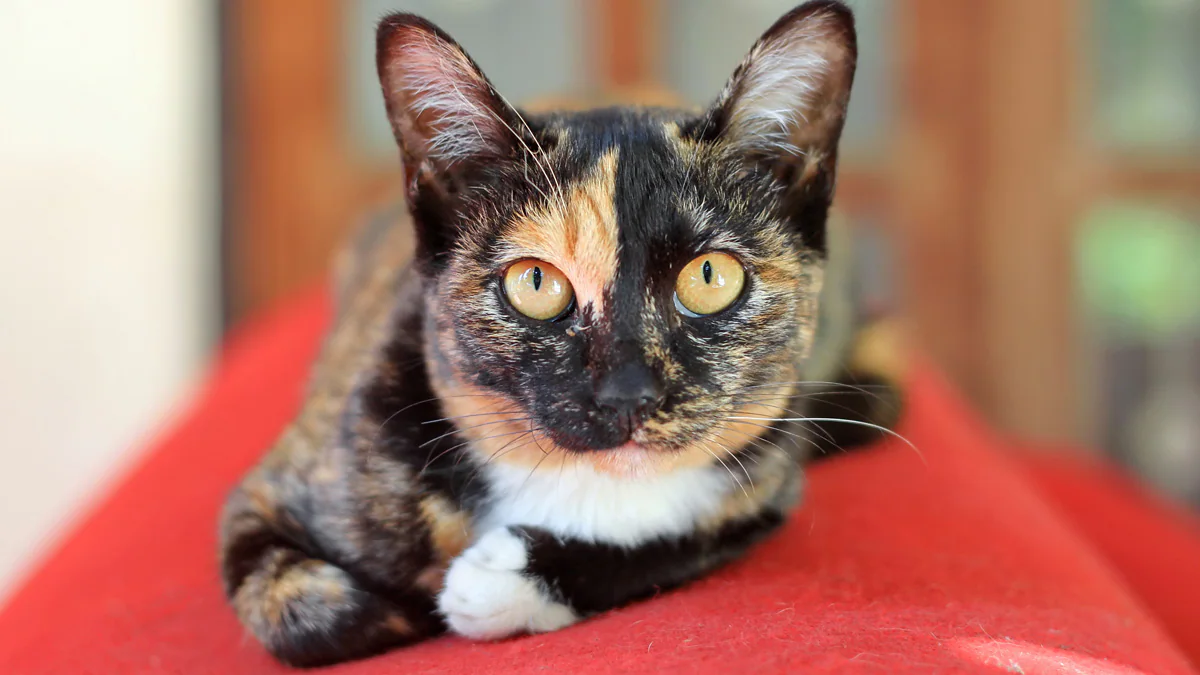
Yes, you heard us right – “Calico refers to the coat type and not cat breed”. Calico cats are feline fur babies of any breed, having three beautiful colors in their coats. A typical calico cat’s coat has about 25 to 75 percent white with bright orange and black patches; however, it can have a mix of colors in the patterns. Some cats may have cream and grey patches on their fur and are known as “Muted calicos”.
Calico cats are believed to bring good fortune to families that adopt them as they are rare and special. It is also worth noting that most calicos are female except under rare genetic conditions.
They can be brilliant, talkative, and mischievous, which is why some humans may find it challenging to raise them, especially if they always wanted a quiet lap cat. So, should you adopt a calico, consider preparing yourself for surprises and buying cat insurance NZ to tackle health emergencies and much more.
Kitten insurance helps handle distressing health situations like allergies, accidental injuries, sickness, and dental more effectively, depending on the level of cover chosen. Contemplate purchasing a policy, so you don’t have to think twice about getting timely medical help in testing times of health.
Meanwhile, read this article to learn some amazing facts about calicos.
1.Calico cats are captivating
Various cat breeds feature this unique pattern; for example, Siberian cats, Maine Coons, Bobtails, Turkish Vans, Norwegian Forest cats, and Manx cats can look charming due to the calico patterns. They are known as calicos because of the high resemblance the patterns bear with those on the famed calico fabrics (originated in Calicut, India) and hence the name for such cats.
2.Calico cats differ from tortoiseshell cats
Torties typically have a full, black, and orange coat with slight pattern variations. On the flip side, the regular calico kitties are often white around the chest and belly and will have color patches on their entire coat. However, the ordinary calicos will have a deep black head and back, white neck, chest, belly, and quirky orange patterns scattered throughout.
3.The “Spotting” mutation gene decides the pattern
Historians don’t know much about the advent of calico cats. However, many scholars believe that they were first found in Egypt and later carried to port cities in Italy, France, and Spain. After that, the cats might have possibly spread to all corners of the world. In today’s times, calico cats are highly prevalent, and the gene responsible for their quick multiplication over the years was their spotting mutant gene. This gene gives it a distinct look and pattern that is not shared with torties.
4.The calico pattern does not influence a cat’s personality
These patterns can be a visual treat, but they don’t dictate a cat’s personality. Know that every feline is an individual, so every calico kitty is going to be different. At the same time, calicos, like other furballs, can be lovable, friendly, and social when given a safe quarter to live and treated with kindness. The pattern mix can cause orange spots to land on the mouth, eyes, nose, and other places in unique arrangements, giving them their signature look. For instance, some may look quirky, and others serious.
Regardless of the cat’s breed and looks, every munchkin should be provided with top-notch medical care during despairing health conditions. Whether you bring home a calico kitty or not, consider providing it with a medical backup in terms of cat insurance in NZ because every cat deserves it. Contemplate purchasing kitten insurance so unplanned vet costs need not take a toll on your savings but help you get quality medical assistance in sickness and emergencies.










Leave a comment