

In the world of diagnostics, seeing is believing. When something goes wrong underground, inside a pipe, or behind a wall, traditional trial-and-error approaches can be slow, expensive, and disruptive. Fortunately, technology has offered a smarter way to look inside without tearing everything apart. Enter video camera inspection, a method that has revolutionized how professionals in industrial and plumbing sectors diagnose hidden problems.
From municipal sewer systems to high-stakes industrial equipment, this tool has grown far beyond its early plumbing applications. Today, it’s become a mainstay in facilities management, infrastructure maintenance, and even quality control for manufacturing. But how does it work, and why has it become such a trusted resource across industries?
A Closer Look at the Process
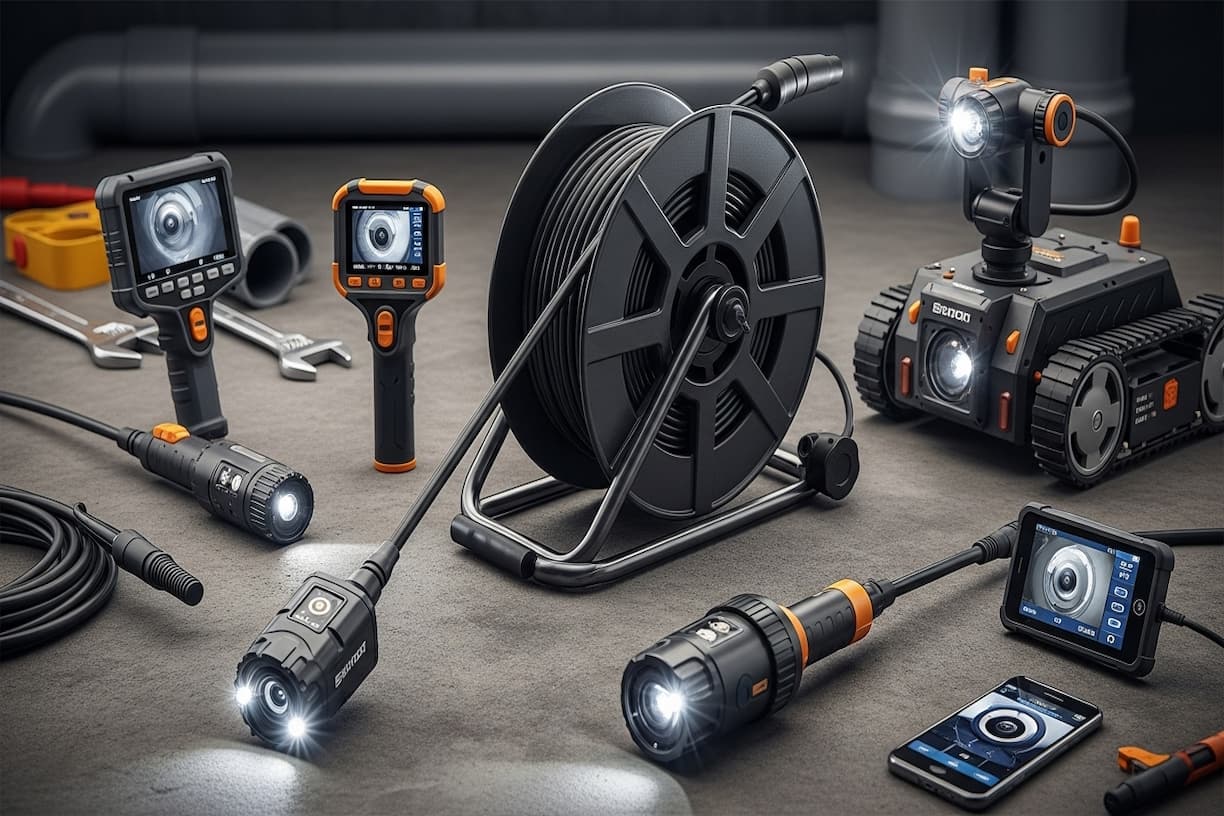
At its core, video camera inspection involves inserting a specialized, waterproof camera into an area that would otherwise be difficult or impossible to view. The camera is mounted on a flexible rod or robotic crawler, depending on the job, and transmits real-time video to a monitor above ground.
Technicians can then visually assess the condition of pipelines, ductwork, drains, and confined machinery spaces. These inspections not only reveal clogs, corrosion, and cracks, but can also help prevent issues by spotting early signs of wear or damage.
The footage is typically recorded and stored digitally, allowing for detailed analysis, sharing with stakeholders, and comparison over time. Some systems include GPS tagging and laser measurement, further enhancing their utility for mapping and documentation.
Industrial Applications Beyond Plumbing
While the plumbing industry may have popularized video camera inspection for locating blockages and leaks, industrial sectors have taken this concept and run with it. Facilities with critical infrastructure—power plants, food production lines, chemical plants—use these systems to inspect components without halting production.
Imagine being able to inspect the inside of a 200-foot ventilation duct without dismantling it. Or checking for signs of corrosion in a pipeline running through hazardous environments, all without sending a human into dangerous territory. In these cases, video inspection not only saves time, but dramatically reduces safety risks.
Some industrial-grade systems are equipped with thermal imaging or radiation detection, depending on the environment they’re used in. For industries that deal with high-value or sensitive materials, minimizing unplanned downtime is crucial, and video inspection provides a proactive way to maintain reliability.
A Must-Have in Modern Plumbing
In the plumbing world, video camera inspection is now a gold standard. It’s the fastest and most precise way to locate root intrusion, collapsed lines, or buildup that could be causing slow drains or backups.
Before this technology, plumbers often had to rely on symptoms and guesswork. Excavating yards or cutting into drywall was frequently done on a hunch. Now, plumbers can insert a camera, spot the issue within minutes, and decide whether a hydro jetting session, pipe replacement, or trenchless repair is the best next step.
It’s particularly useful for property owners buying or selling a home. A camera inspection can reveal hidden issues that aren’t visible during a routine walkthrough. In many cities, such inspections are now part of the standard due diligence process during real estate transactions.
Cost-Efficiency and Preventive Value
One of the biggest draws of video camera inspection is how much money it can save in the long run. By identifying the exact location and nature of a problem, companies avoid unnecessary labor, guesswork, and repeat visits. For homeowners and business owners alike, fewer disruptions mean fewer headaches.
But perhaps even more important is its role in preventive maintenance. Regular inspections allow for data collection over time, helping identify patterns or vulnerabilities in equipment or infrastructure. This allows managers to fix small problems before they become expensive emergencies.
For example, a slow-forming blockage in a drain line might not be obvious until it causes an overflow. But if regular inspections show narrowing due to grease or debris buildup, a scheduled cleaning can prevent disaster. In this way, video inspections function like a health checkup for your pipes or systems—informative, proactive, and cost-effective.
Limitations and Considerations
While video camera inspection is powerful, it’s not always a one-size-fits-all solution. In extremely small or irregularly shaped lines, the camera may not fit or may have limited maneuverability. Cameras also can’t detect issues behind walls or pipe walls unless paired with other technologies like sonar or ground-penetrating radar.
It’s also important that operators be well-trained. Misinterpretations of footage can lead to unnecessary repairs, or worse, missed warning signs. Choosing a provider with experience in your specific industry is key to making the most of the technology.
The Future Is Clear
Looking ahead, the capabilities of video camera inspection will only expand. Artificial intelligence is already being used to assist in analyzing video footage, flagging anomalies that human technicians might miss. As connectivity improves, remote inspections via cloud-based video feeds could allow experts from around the world to weigh in on complex diagnostics in real time.
This means faster diagnoses, smarter maintenance, and more cost-effective service across the board. Whether in a small plumbing job or a sprawling industrial facility, the clarity offered by video inspection has become an essential part of modern problem-solving.
For anyone managing infrastructure—be it a factory, a hospital, or a home—the ability to see what’s happening inside the system is more than a convenience. It’s a game-changer.









Leave a comment