

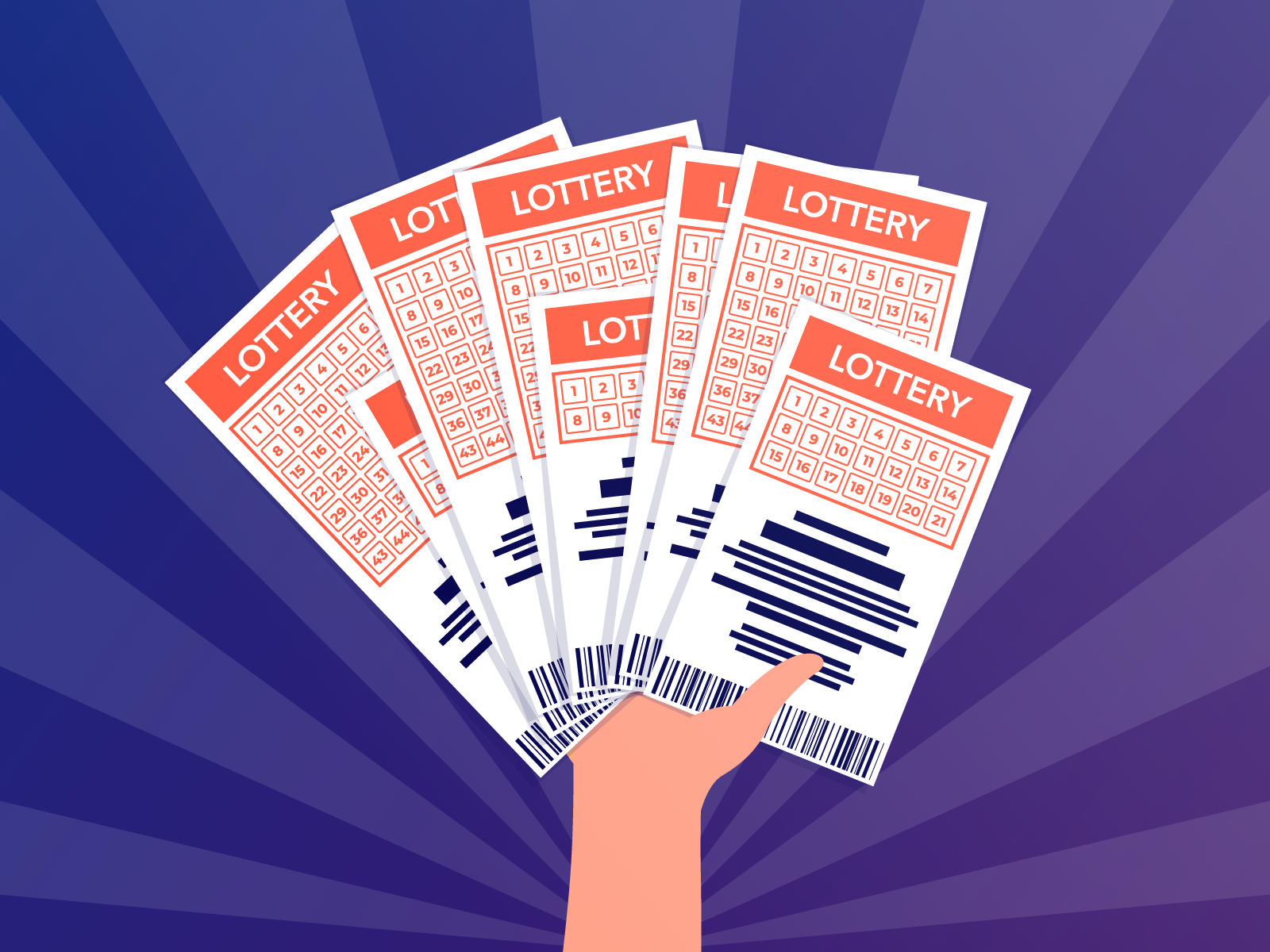
Nothing stops you from purchasing dozens or even hundreds of tickets for the same lottery draw. Ethereum Lottery handle bulk entries differently than physical ticket sales, which require manually filling out paper slips. Digital systems let you generate multiple entries instantly through interface controls or smart contract functions. The main constraints come from your available balance and platform-imposed limits rather than physical logistics that slowed traditional lottery participation.
Most platforms provide quantity selectors during the entry process. Set the slider to 50 tickets, and the system generates that many entries automatically. Some interfaces let you type exact quantities rather than using sliders, which speeds up the process when buying large volumes. The smart contract deducts the total cost from your wallet in one transaction rather than processing fifty separate payments. This bulk processing saves gas fees compared to entering tickets individually.
Number selection
Random generation tools create unique combinations for each ticket automatically. The platform’s algorithm ensures no duplicate sets appear in your batch, maximizing variety without manual effort. Some players prefer controlling their number selection personally, picking meaningful dates, patterns, or numbers based on their own systems. Manual selection becomes tedious with large ticket quantities, which is why most heavy buyers rely on automated randomization. Sequential number strategies involve buying tickets that cover consecutive number ranges. If the lottery draws from 1 to 45, you might purchase tickets covering 1-15 on some entries, 16-30 on others, and 31-45 on the rest. This systematic approach guarantees you’ll hit some numbers regardless of the outcome, though obviously hitting only two numbers when you need six still loses.
Platform purchase limits
Some Ethereum lottery platforms cap how many tickets one wallet can buy per draw. These limits prevent single players from dominating prize pools or exploiting statistical edges through massive volume purchases. Caps typically range from 100 to 1,000 tickets per wallet per draw, though limits vary widely between platforms. Purchase restrictions serve several purposes:
- Maintain competitive balance so wealthy players can’t monopolize draws
- Prevent smart contract overload from processing extremely large single transactions
- Distribute winning opportunities across broader player bases
- Reduce vulnerability to sophisticated mathematical attack strategies
- Keep prize pools attractive by ensuring multiple potential winners exist
Platforms without purchase limits allow unrestricted buying, which occasionally leads to situations where one player owns 30% or 40% of all entries in a draw. Their winning probability scales proportionally, but the investment required usually makes this approach impractical except in special circumstances.
Cost multiplication reality
Buying ten tickets costs ten times the single-ticket price. This obvious fact becomes important when players get caught up in the excitement of improving their odds without tracking total expenditure. A game charging 0.05 ETH per ticket requires 5 ETH for 100 tickets. That amount might exceed your intended lottery budget for an entire month. Smart contract interfaces display the total cost before confirming your bulk purchase. Review this number carefully rather than focusing solely on ticket quantity. The psychological difference between buying one ticket and buying fifty tickets sometimes obscures the financial reality that you’re spending fifty times more money.
Probability improvements calculated
Each additional ticket genuinely increases your winning chances, though the improvement diminishes with scale. Going from one ticket to two tickets doubles your probability. Going from 100 tickets to 101 tickets adds just 1% improvement. The math follows a simple proportion based on total entries in the draw. Smaller prizes with better base odds see more meaningful improvements from multiple tickets. A game offering 1 in 1,000 odds might become 1 in 100 with ten tickets, which represents a noticeable shift in realistic winning chances.
Ethereum lottery platforms support bulk ticket purchases through automated entry systems that generate unique number combinations across multiple tickets. Platform limits sometimes cap maximum purchases per wallet to maintain competitive balance. Various entries increase winning probability proportionally, though cost multiplication requires careful budget management to avoid overspending.











Leave a comment