


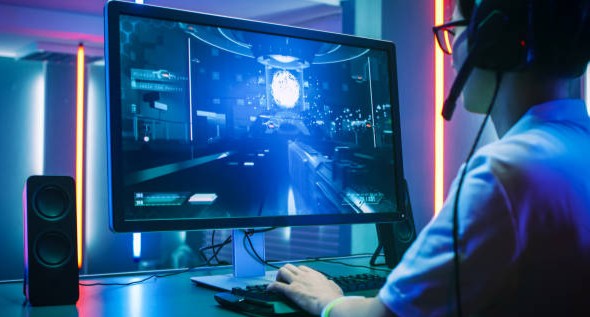
Gaming used to be something people often did alone or with a few friends sitting in the same room. A console connected to a television, a computer game installed from a disc, or a handheld device could provide hours of entertainment, but interaction was usually limited to whoever happened to be nearby.
Online gaming changed that completely. Games are now connected spaces where people can play, communicate, compete, cooperate, and build communities with others who may live hundreds or even thousands of miles away.
Gaming Moved Beyond the Living Room
One of the biggest changes brought by online gaming is that physical location matters much less than it once did. Friends no longer need to meet in the same house to play together.
A player in one city can join teammates living in different countries within seconds. Multiplayer servers, mobile apps, browser-based games, and online platforms have created digital spaces where people can interact almost instantly.
This accessibility has also made gaming easier to fit into everyday routines. Someone might play for ten minutes during a break, join friends for an evening multiplayer session, or participate in a longer online event during the weekend.
Multiplayer Games Turned Play Into Communication
Modern online games often require communication as much as quick reactions or strategic thinking.
Players may need to coordinate attacks, divide responsibilities, share resources, plan strategies, or warn teammates about changing situations. Voice chat, text messaging, group channels, and in-game signals make communication part of the experience.
Even games that are not heavily competitive frequently include social features. Players can form groups, join communities, share achievements, exchange items, or simply talk while completing activities together.
Gaming Platforms Became Social Spaces
Online gaming platforms increasingly function as communities rather than simple collections of games.
Users may create profiles, maintain friend lists, follow other players, participate in events, compare achievements, or join interest-based groups. Some communities exist entirely within a particular game, while others continue through social media, forums, messaging services, and streaming platforms.
The growing variety of gaming websites also gives players more ways to explore digital entertainment. Platforms such as pg123.net illustrate how online gaming can be accessed through connected digital environments rather than relying entirely on traditional physical gaming systems.
Smartphones Made Social Gaming More Accessible
Mobile technology played a major role in expanding online gaming.
Previously, participating in multiplayer gaming usually required a console or computer. Smartphones made connected games available to a much wider audience without requiring specialized equipment.
Mobile games also introduced shorter and more flexible play sessions. People can interact with friends, complete challenges, participate in multiplayer matches, or check game progress almost anywhere with an internet connection.
This convenience has helped gaming become part of everyday digital communication. Friends may send game invitations in the same way they send messages, videos, or social media posts.
For many users, gaming is no longer a separate activity. It exists alongside other digital interactions throughout the day.
Online Communities Changed How Players Discover Games
People once discovered new games mainly through advertisements, magazines, television commercials, or recommendations from friends.
Today, online communities play a much larger role.
Players frequently discover games through livestreams, gaming videos, social media clips, discussion groups, online reviews, and recommendations shared within communities. A popular streamer or multiplayer group can introduce thousands of people to a game very quickly.
This has created a more community-driven discovery process. Players are not simply choosing a game because of its graphics or storyline. They may also consider whether their friends play it, whether it has an active community, or whether it supports the type of social interaction they enjoy.
Competitive Gaming Created New Shared Experiences
Online competition has also changed the social side of gaming.
Leaderboards, tournaments, ranked matches, seasonal events, and esports competitions give players common events to follow and discuss. Even people who are not participating directly may watch matches, comment on results, or follow professional players.
Streaming platforms have strengthened this connection. Viewers can watch someone play while chatting with other spectators in real time.
In this sense, gaming has developed characteristics similar to traditional sports. People can participate, watch, discuss strategies, follow skilled players, and celebrate memorable moments together.
Cooperation Became Just as Important as Competition
Online gaming is sometimes associated mainly with competition, but cooperation has become equally important.
Many games are designed around teams that must work together to achieve a shared objective. Players may take different roles based on their abilities, equipment, or experience.
These systems encourage communication and coordination. A successful team often depends less on one highly skilled player and more on how well everyone works together.
Cooperative games can also create more relaxed social experiences. Friends may explore virtual environments, build structures, solve puzzles, or complete missions without focusing heavily on winning against other players.
Gaming Friendships Can Extend Beyond the Game
One of the most significant social changes is that relationships formed through games often continue outside them.
Players who regularly meet in the same digital world may eventually communicate through messaging apps, social media, community servers, or video calls. Some friendships continue for years even after people stop playing the original game that introduced them.
Shared gaming experiences provide an easy starting point for conversation. Players already have common goals, memorable moments, and interests to discuss.
The Social Side of Gaming Will Keep Expanding
Online gaming continues to evolve alongside faster internet connections, improved mobile devices, cloud gaming, virtual reality, and more advanced social features.
Future games are likely to make communication and collaboration even more central to the experience. Digital worlds may increasingly combine entertainment, social interaction, live events, creative activities, and community spaces within the same platform.
The biggest change created by online gaming is therefore not simply that games moved onto the internet. Gaming itself became more connected.
What was once primarily an activity played alone or with people nearby has grown into a global social experience where players can compete, cooperate, communicate, and build communities across geographic boundaries.







Leave a comment