

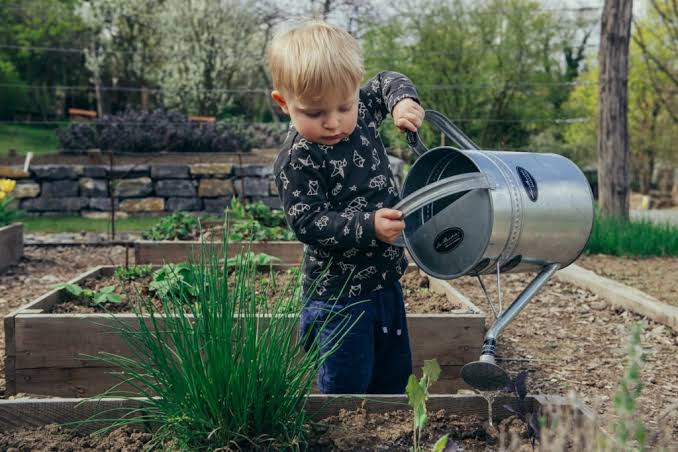
A handful of soil, a growing seedling, or the discovery of a worm beneath a leaf can turn an ordinary day into a memorable learning experience for a young child. Early childhood is an ideal time to introduce environmental concepts because children naturally learn by touching, observing, questioning, and experimenting. Outdoor activities give them opportunities to connect everyday experiences with the natural world rather than simply hearing about plants, animals, and ecosystems in a classroom.
For families researching Daycare in Morgan Hill CA, outdoor learning opportunities can be an important consideration when evaluating early childhood programs. Daycare centers can introduce gardening and environmental awareness through simple, age-appropriate activities that encourage curiosity, responsibility, and respect for living things. These experiences do not require extensive gardens or specialized equipment. A few containers, safe natural materials, and consistent guidance can provide a meaningful starting point.
Why Nature-Based Learning Matters in Early Childhood
Young children develop an understanding of their surroundings through direct experiences. Watching a seed develop into a plant, noticing seasonal changes, or observing insects in a garden helps them recognize that nature is constantly changing.
These experiences also connect with several areas of early development. Outdoor exploration encourages physical movement, strengthens observation skills, and introduces scientific thinking. Children begin asking questions such as why leaves change color, where rainwater goes, and what plants need to grow.
Nature-based activities can also support language development. Describing the shape of a leaf, comparing different flowers, or discussing the texture of soil introduces new vocabulary in a practical context.
Introducing Gardening Through Simple Activities
A daycare garden does not need to be large or complicated. Even a small outdoor corner or collection of planting containers can become a useful learning environment.
Letting Children Participate in Planting
Planting fast-growing seeds, such as beans, peas, or sunflowers, gives children an opportunity to observe visible changes over time. Educators can involve them in filling containers with soil, placing seeds, watering plants, and checking growth.
Each step introduces a different concept. Children learn that seeds require suitable conditions, that roots develop beneath the surface, and that plants need water and sunlight.
Educators can also create simple growth journals using drawings or photographs. Comparing observations from one week to another helps children recognize gradual changes and develop early recording skills.
Making Garden Care Part of the Daily Routine
Gardening becomes more meaningful when children participate regularly rather than treating planting as a one-time activity.
Age-appropriate responsibilities might include:
- Watering designated plants with small watering cans.
- Collecting fallen leaves for observation.
- Checking whether seedlings have new growth.
- Helping remove weeds with adult supervision.
- Returning garden tools to their storage area.
These activities encourage responsibility while teaching children that living things require ongoing care.
Exploring Wildlife and the Natural Environment
Gardens provide opportunities to observe more than plants. They can also introduce children to insects, birds, worms, and other small forms of wildlife.
Learning About Local Biodiversity
Educators can organize supervised nature walks around the playground or nearby outdoor spaces. Children might look for different leaf shapes, listen for birds, or observe butterflies visiting flowers.
A simple observation activity can involve comparing two leaves or identifying differences between smooth and rough tree bark. These small discoveries encourage careful attention without requiring children to memorize scientific terminology.
Understanding the Role of Living Things
Children can gradually learn that different organisms have different roles in the environment. Bees visit flowers, earthworms contribute to healthy soil, and birds help distribute seeds.
Explanations should remain simple and factual. Children should observe wildlife without attempting to catch, disturb, or handle unfamiliar animals.
Building Environmental Awareness Through Everyday Habits
Environmental education extends beyond gardening. Daycare centers can introduce sustainable practices through familiar classroom activities.
For example, educators can establish separate containers for appropriate recycling materials, encourage children to turn off taps after washing their hands, and explain why reusable items can reduce waste.
Composting can also be introduced with suitable fruit and vegetable scraps, provided the process is carefully managed by adults. Children can observe how organic materials gradually break down and contribute to healthier soil.
Action Day Schools can be part of a broader conversation about how early learning environments incorporate practical experiences that connect children with their surroundings. Families interested in learning more about its Morgan Hill location can explore the school’s programs and educational setting.
Important Considerations for Safe Outdoor Learning
Nature-based activities require thoughtful planning. Educators should select non-toxic plants, avoid pesticides, supervise gardening tools, and ensure children wash their hands after handling soil.
Allergies, insect sensitivities, weather conditions, and individual sensory preferences should also be considered. Children should have access to shade, drinking water, and appropriate clothing during outdoor activities.
Not every child will immediately enjoy touching soil or encountering insects. Providing alternative ways to participate, such as watering plants or observing from a comfortable distance, makes outdoor learning more inclusive.
Frequently Asked Questions
At what age can children start gardening?
Toddlers can participate in simple supervised activities such as watering plants, touching safe leaves, and placing large seeds in prepared containers. Activities should reflect each child’s developmental abilities.
Does gardening support early science learning?
Yes. Gardening introduces observation, comparison, cause and effect, life cycles, and basic environmental relationships through direct experience.
How can daycare centers teach sustainability without a garden?
Nature walks, recycling activities, water conservation, nature-inspired art, and discussions about local wildlife can all introduce environmental concepts without requiring dedicated gardening space.
Creating Meaningful Connections With Nature
Introducing children to gardening and environmental awareness is less about creating a perfect outdoor classroom and more about making nature part of everyday learning. When children plant seeds, observe wildlife, and participate in caring for their surroundings, environmental concepts become understandable and personally meaningful.
With consistent opportunities, appropriate supervision, and encouragement from educators, these experiences can help young learners develop curiosity, responsibility, and a lasting appreciation for the natural world.








Leave a comment