

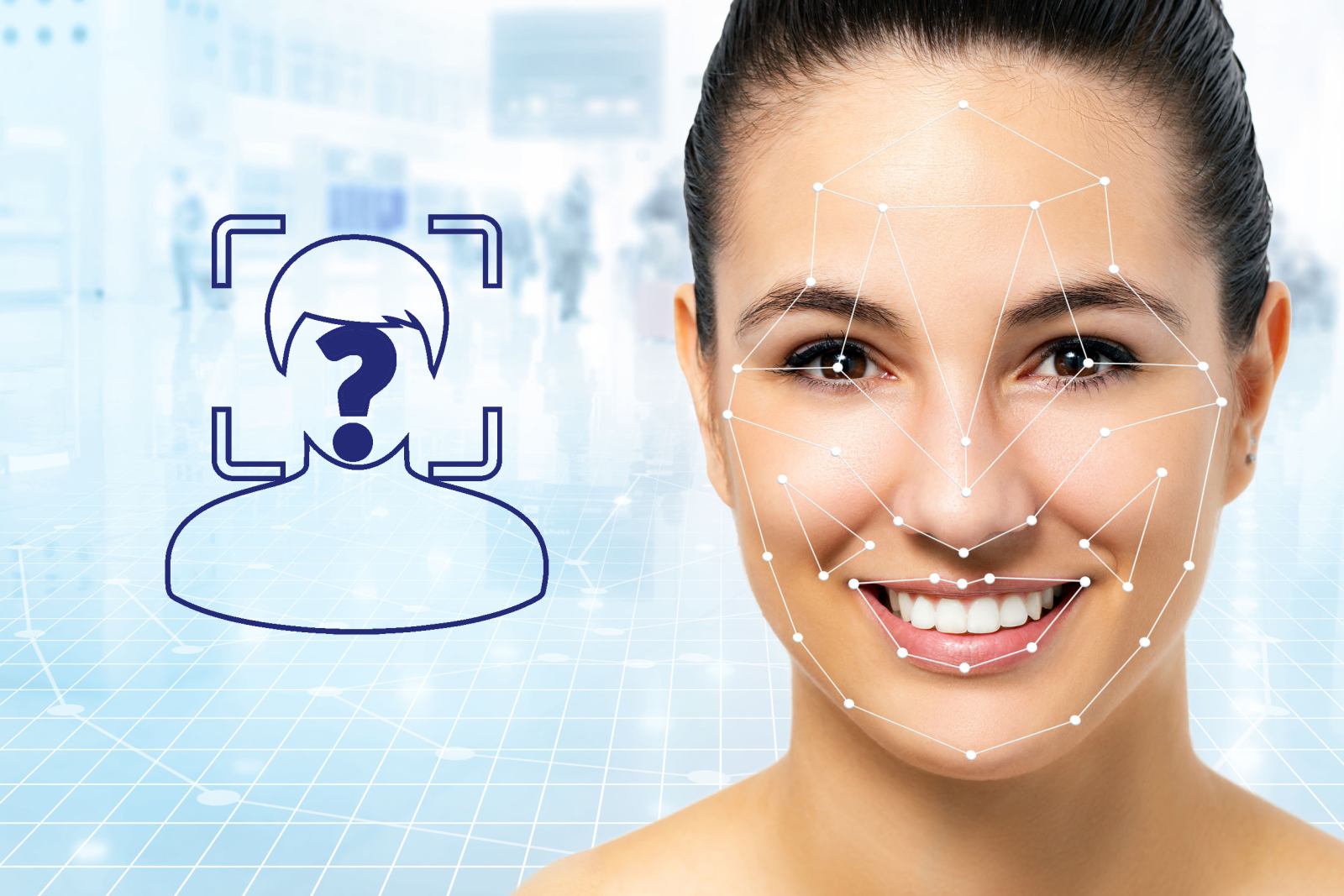
Facial recognition technology, when paired with drone surveillance, introduces a powerful capability for monitoring public areas, identifying persons of interest, and supporting law enforcement investigations. However, as these tools gain sophistication, they also bring significant legal and ethical challenges. Questions surrounding privacy, consent, data security, and regulatory oversight have become increasingly urgent. Institutions like Sonoran Desert Institute (SDI), which is accredited by the Distance Education Accrediting Commission (DEAC), emphasize the importance of responsible drone operations and compliance. In fact, Sonoran Desert Institute reviews often highlight the school’s forward-looking approach to training students on the legal, technical and ethical considerations of emerging drone technologies, including facial recognition.
Drones equipped with facial recognition software capture high-resolution images and cross-reference them with databases to identify individuals in real-time. This capability expands surveillance coverage, improves suspect identification and supports search efforts. While these tools enhance security, they also raise concerns related to privacy, accuracy, consent and regulatory oversight.
The Power of Facial Recognition Drones
Facial recognition algorithms analyze facial features captured by drone-mounted cameras, comparing them to reference images stored in databases. This technology allows security teams to identify wanted individuals, monitor restricted areas and locate missing persons quickly.
Law enforcement agencies use facial recognition drones to search large areas, such as public events or transportation hubs, where traditional surveillance may be limited. These drones reduce the need for manual searches and increase the speed of identifying persons of interest.
Expanding Capabilities and Growing Concerns
As facial recognition algorithms improve in accuracy, drones become more capable of identifying individuals under varied lighting conditions, facial angles and distances. These advancements make the technology more effective in real-world conditions but also amplify concerns about misuse and overreach.
Critics raise questions about potential violations of privacy rights, the potential for false identifications and the chilling effect widespread surveillance may have on public behavior. Balancing the benefits of enhanced security with the protection of individual rights remains a central issue.
Privacy Rights and Public Spaces
One of the primary legal challenges involves balancing surveillance operations with constitutional and statutory privacy protections. While public spaces generally have a lower expectation of privacy, continuous aerial monitoring combined with facial recognition raises new concerns.
The ability to track individuals across multiple locations, monitor associations and compile long-term movement records creates privacy risks even in public settings. Lawmakers must determine the acceptable scope of surveillance and establish limits on data collection, storage and sharing.
Consent and Notice Requirements
Facial recognition surveillance raises questions about informed consent. Individuals in public spaces are often unaware that drones are capturing their images for facial recognition analysis.
Legal frameworks may require agencies to disclose the presence of facial recognition surveillance, establish clear policies for data retention and provide avenues for individuals to challenge incorrect identifications. Transparency helps maintain public trust and accountability.
Accuracy and the Risk of False Identifications
Facial recognition algorithms are not infallible. Factors such as poor lighting, image quality, facial obstructions and algorithm bias can lead to false positives or missed identifications.
False identifications carry serious consequences, including wrongful detentions, reputational harm and legal liability. Security teams must implement safeguards, including human review and verification processes, to confirm AI-generated matches before taking enforcement actions.
Legal Frameworks and Regulatory Oversight
Several jurisdictions have introduced legislation regulating facial recognition use by government agencies, law enforcement and private entities. Regulations often address data collection limits, retention periods, audit requirements and public reporting obligations.
Clear legal standards help define the lawful use of facial recognition drones, ensuring that surveillance programs operate within established constitutional boundaries and protect civil liberties.
Government agencies may require warrants, judicial oversight or statutory authority before deploying facial recognition drones for investigative purposes. Private organizations face additional restrictions when collecting biometric data from the public.
International Standards and Cross-Border Use
As facial recognition drones are deployed globally, differences in national privacy laws create challenges for international collaboration and data sharing. Cross-border surveillance raises complex questions about jurisdiction, legal authority and the application of foreign privacy protections.
Developing international standards may help establish consistent legal frameworks and promote responsible use of facial recognition technology across borders.
Data Security and Breach Risks
Facial recognition databases contain sensitive biometric information that must be safeguarded against unauthorized access, hacking or misuse. Data breaches expose individuals to identity theft, financial fraud and surveillance abuses.
Security teams must implement strong cybersecurity protocols, encryption standards and access controls to protect stored biometric data. Regular audits and compliance reviews help ensure data integrity and prevent unauthorized use.
Balancing Security and Civil Liberties
Facial recognition drones offer real benefits for public safety, but unchecked deployment risks infringing on fundamental civil liberties. Balancing security needs with privacy protections requires clear policies, independent oversight and transparent accountability measures.
Public input, ethical review boards and legal safeguards help ensure that facial recognition technologies serve legitimate purposes, while minimizing the potential for abuse or overreach.
Expanding Career Opportunities in Surveillance Compliance
As legal and ethical considerations surrounding facial recognition develop, demand grows for professionals who can navigate regulatory frameworks, audit surveillance programs and advise on lawful deployment.
Career roles include compliance officers, privacy consultants, drone operations managers and policy analysts. Professionals with expertise in both drone technology and legal standards contribute to responsible innovation in security and surveillance.
Preparing for the Future of Drone Surveillance
The future of facial recognition drone surveillance depends on ongoing collaboration between lawmakers, technology developers, privacy advocates and security professionals. Ongoing research, open public discussion, and updates to legislation are all essential for tackling new challenges and maintaining public trust.
By establishing responsible policies and ensuring professional oversight, the industry can leverage the benefits of facial recognition drones, while respecting individual rights.
Facial recognition drones offer many new capabilities for public safety, but their deployment introduces significant legal and ethical questions. Careful management, clear legal standards and professional training are essential to ensure responsible use of this powerful technology.
Institutions such as Sonoran Desert Institute help equip students with the skills needed to navigate the legal, technical, and ethical dimensions of facial recognition drone surveillance. As facial recognition drone surveillance expands, well-trained professionals play a critical role in maintaining the balance between security and civil liberties.











Leave a comment