


Dive into authentic Chinese cuisine with our guide to Singapore’s Top Cantonese Restaurants. Savour a gastronomic journey! 🇨🇳🇸🇬
Singapore is renowned for its rich and diverse food culture, a vibrant tapestry woven from the many ethnic communities that call the city-state home. Among the various Chinese culinary traditions that flourish here, Cantonese cuisine holds a special place. Man Fu Yuan Cantonese restaurants exemplify the excellence and authenticity that discerning diners seek, offering a unique opportunity to experience traditional cooking techniques from Guangdong province, presented with local flair. This article explores the significance of Cantonese restaurants in Singapore, delving into their history, culinary characteristics, and the reasons behind their enduring popularity.
The Cantonese culinary tradition is one of the most celebrated regional Chinese cuisines worldwide. Known for its emphasis on fresh ingredients, subtle seasoning, and balanced flavors, Cantonese food is often described as refined and elegant. Singapore’s Cantonese restaurants embody these principles, showcasing a wide array of dishes that highlight the freshness of seafood, the tenderness of meats, and the delicate harmony of herbs and spices. Unlike some other Chinese cuisines that rely heavily on bold spices and intense heat, Cantonese cooking tends to focus on natural flavors, enhancing them rather than overpowering them.
Historically, Cantonese cuisine made its way to Singapore with waves of Chinese immigrants from southern China. Many of these immigrants came from Guangdong province, bringing with them their culinary heritage. Over time, Cantonese restaurants began to establish themselves in Singapore’s bustling food scene. These establishments range from humble hawker stalls to upscale dining venues, each offering a different interpretation of Cantonese food. Despite the differences in scale and style, the commitment to quality and authenticity remains a constant.
One of the defining features of Cantonese restaurants in Singapore is their emphasis on fresh seafood. Being a city surrounded by water, Singapore naturally has access to an abundance of fresh fish, shellfish, and crustaceans. Cantonese chefs expertly prepare these ingredients through methods such as steaming and poaching, which preserve the delicate flavors and textures. Dishes like steamed fish with ginger and scallions or lobster cooked with garlic and vermicelli noodles exemplify this approach. These preparations celebrate the natural taste of the seafood while adding subtle layers of aroma and flavor.
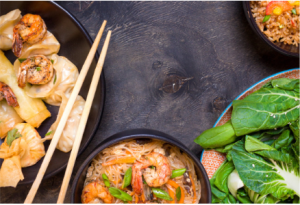
Beyond seafood, Cantonese cuisine in Singapore also showcases an impressive range of dim sum. These bite-sized portions of food are often served in bamboo steamers and are perfect for sharing. From fluffy char siu buns filled with sweet barbecued pork to shrimp dumplings with translucent skins, dim sum offers a delightful exploration of textures and tastes. The ritual of enjoying dim sum, often accompanied by tea, is a beloved social experience in Singapore’s Cantonese restaurants, blending culinary enjoyment with cultural tradition.
Another hallmark of Cantonese dining is the use of soups and broths, which are believed to have health benefits and are a staple in many meals. These soups often simmer for hours, allowing flavors to develop fully. Ingredients like Chinese herbs, dried mushrooms, and various meats combine to create nourishing and flavorful broths. For many diners, the soups provide comfort and balance, complementing the meal with a sense of warmth and wellness.
Cantonese restaurants in Singapore also pride themselves on their roast meat offerings. Dishes such as crispy roasted pork belly with crackling skin, succulent char siu, and tender roasted duck are crafted with precision to achieve the perfect balance of texture and taste. The meticulous preparation of these meats involves marinating, slow roasting, and basting to infuse deep flavor and retain juiciness. These roast meats are often served with fragrant rice or noodles, completing a satisfying meal.
The dining experience in a Cantonese restaurant in Singapore is not just about the food. It also reflects the cultural values of hospitality, family bonding, and respect for tradition. Many Cantonese restaurants are designed to accommodate large groups, encouraging communal dining where dishes are shared among family and friends. This style of eating fosters connection and warmth, reinforcing the importance of relationships in Cantonese culture.
In addition, Cantonese restaurants in Singapore have evolved to embrace modern tastes and dietary preferences. Many establishments now offer healthier options, incorporating fresh vegetables and reducing excessive oil and salt. Vegetarian Cantonese dishes have also gained popularity, demonstrating the cuisine’s adaptability and inclusiveness. This willingness to innovate while preserving tradition has helped Cantonese restaurants maintain their relevance in Singapore’s dynamic food landscape.
The appeal of Cantonese restaurants in Singapore can also be attributed to their accessibility. Whether diners seek a casual lunch or a luxurious dinner, they can find suitable options throughout the city. From bustling Chinatown streets to elegant hotel dining rooms, Cantonese cuisine is readily available, making it easy for locals and tourists alike to enjoy its rich flavors. The vibrant food culture ensures that Cantonese restaurants continue to thrive, offering a taste of southern China in the heart of Singapore.
In conclusion, Cantonese restaurants in Singapore serve as a gateway to one of the most respected Chinese culinary traditions. They highlight the importance of fresh ingredients, refined cooking methods, and cultural values that extend beyond the plate. The combination of authentic flavors, diverse dishes, and warm hospitality creates an engaging dining experience that appeals to a wide audience. As Singapore continues to celebrate its multicultural identity, Cantonese cuisine remains a vital and cherished part of its food heritage, inviting everyone to savor the taste of tradition and the joy of shared meals.











Leave a comment