

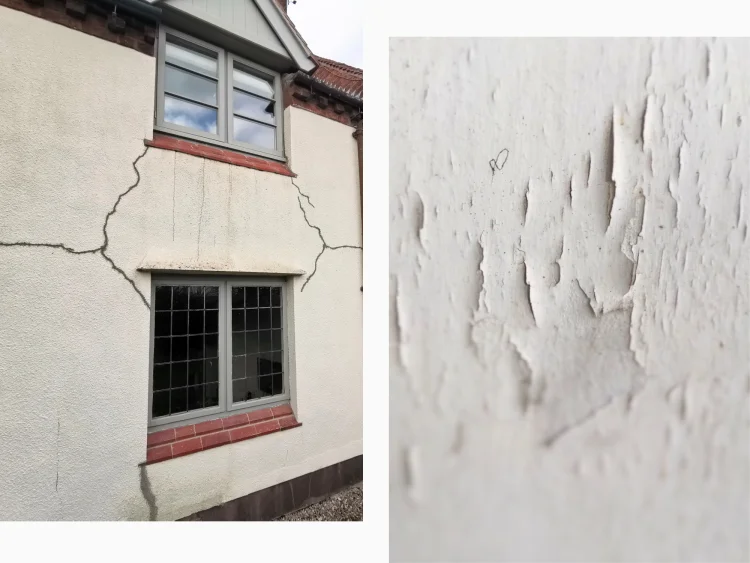
Water marks along the bottom of exterior walls are a common concern for homeowners, often signaling underlying moisture issues that can lead to more serious structural problems if left unaddressed. These unsightly stains not only detract from the appearance of a property but can also indicate persistent water intrusion, which may compromise the integrity of building materials over time. Understanding the root causes of these water marks is essential for effective prevention and maintenance. By identifying the sources and mechanisms behind moisture accumulation, property owners can take proactive steps to protect their homes and avoid costly repairs in the future.
Common sources of water marks
Poor Drainage Around the Foundation
One of the most frequent causes of water marks along the bottom of exterior walls is poor drainage around the foundation. When rainwater or melting snow is not properly directed away from the base of a building, it tends to accumulate near the foundation. Over time, this excess moisture can seep into the porous materials that make up the lower portion of exterior walls, such as brick, concrete, or stucco. As the water is absorbed, it leaves behind mineral deposits and stains that manifest as visible water marks. Inadequate grading, where the ground slopes toward the house instead of away from it, exacerbates this problem by channeling even more water toward the foundation. Additionally, landscaping features like flower beds or paved surfaces that trap water near the walls can further contribute to moisture buildup. Addressing drainage issues often involves regrading the soil, installing French drains, or extending downspouts to ensure water is effectively diverted away from the structure. Without these measures, persistent moisture exposure can lead to not only water marks but also more severe issues like foundation cracks and mold growth.
Faulty or Clogged Gutters and Downspouts
Another significant factor contributing to water marks at the base of exterior walls is the condition of the gutter and downspout system. Gutters are designed to collect rainwater from the roof and channel it safely away from the building’s foundation. However, when gutters become clogged with leaves, debris, or dirt, they can overflow, causing water to spill directly down the sides of the house. This repeated exposure saturates the lower wall sections, resulting in the characteristic staining and discoloration associated with water marks. In some cases, gutters may be improperly installed or damaged, preventing them from functioning as intended. For homeowners in areas like Hanover, a professional gutter install hanover service can ensure that gutters are correctly positioned and securely attached, minimizing the risk of overflow and water damage. Regular maintenance, including cleaning and inspection, is crucial to keep gutters and downspouts clear and operational. When these systems fail, the consequences extend beyond cosmetic issues, potentially leading to erosion, basement leaks, and compromised structural integrity.
Capillary Action and Rising Damp
Capillary action, also known as rising damp, is a process where water from the ground is drawn upward through the tiny pores in masonry or concrete walls. This phenomenon is particularly common in older buildings that lack modern damp-proofing measures. As moisture rises from the soil, it carries with it dissolved salts and minerals, which are then deposited on the surface of the wall as the water evaporates. The result is a series of water marks or tide lines that appear along the bottom of exterior walls, often accompanied by efflorescence—a white, powdery residue. Rising damp can be exacerbated by high groundwater levels, poor site drainage, or the absence of a functional damp-proof course. Over time, this persistent moisture can weaken the wall materials, promote mold growth, and cause paint or plaster to peel. Addressing rising damp typically involves improving site drainage, installing or repairing damp-proof barriers, and sometimes using chemical treatments to block moisture movement. Ignoring this issue can lead to ongoing deterioration and increased repair costs.
Short-term Weather Events
Heavy rainfall or rapid snowmelt can sometimes cause temporary water marks along the bottom of exterior walls. During intense weather events, the volume of water falling or melting in a short period can overwhelm existing drainage systems, leading to pooling around the foundation. Even if a property generally has good drainage, these short-term surges can result in water being forced against the base of the walls, where it is absorbed and leaves behind stains as it dries. While these marks may fade over time, repeated exposure to such conditions can cause cumulative damage. Homeowners should monitor their property after significant weather events to identify any new or worsening water marks, as these can be early indicators of more persistent drainage or waterproofing issues that need to be addressed.
Construction Defects and Material Issues
In some cases, water marks along the bottom of exterior walls are the result of construction defects or the use of inappropriate building materials. For example, if flashing is improperly installed or missing at the base of walls, water can easily penetrate the junction between the wall and the foundation. Similarly, the use of low-quality or highly porous materials in the construction of exterior walls can make them more susceptible to moisture absorption. Cracks or gaps in the wall surface, whether due to settling, thermal expansion, or poor workmanship, provide additional entry points for water. Over time, these defects allow moisture to infiltrate and accumulate, leading to visible staining and potential structural damage. Addressing construction-related causes often requires professional assessment and targeted repairs, such as resealing joints, replacing damaged materials, or installing additional waterproofing measures to prevent future water intrusion.
Preventing Water Marks
Preventing water marks along the bottom of exterior walls involves a combination of regular maintenance, proper landscaping, and attention to building details. Ensuring that gutters and downspouts are clear and functioning, maintaining proper grading around the foundation, and addressing any cracks or gaps in exterior walls are all essential steps. Additionally, installing or repairing damp-proof courses and using water-resistant materials can provide long-term protection against moisture intrusion. Regular inspections, especially after heavy rain or snow, can help identify potential issues before they become serious problems. By taking these proactive measures, homeowners can significantly reduce the risk of water marks and the associated damage to their property.
Conclusion
Water marks along the bottom of exterior walls are more than just a cosmetic concern; they often signal underlying moisture problems that can compromise the durability and safety of a building. The most common causes include poor drainage, faulty gutters, rising damp, severe weather events, and construction defects. Addressing these issues requires a comprehensive approach that combines regular maintenance, effective water management, and attention to construction details. By understanding the factors that contribute to water marks and taking timely action, homeowners can protect their investment, maintain the appearance of their property, and prevent more serious structural issues from developing over time. Regular monitoring and prompt repairs are key to ensuring that exterior walls remain dry, clean, and free from unsightly stains.











Leave a comment